




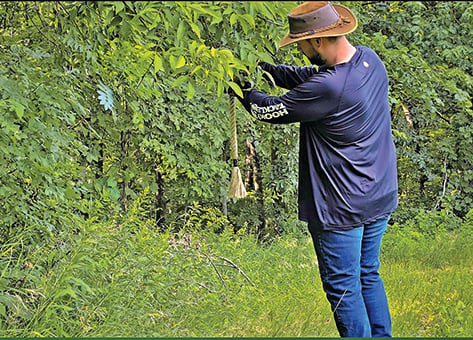
Between swatting at deer flies and reapplying bug spray for the millionth time, my arms are getting a workout in recent weeks. But there’s one thing I like to do this time of year to begin setting the table for deer season. Though it might seem odd, I’m focused on establishing mock scrapes right now.
If you’ve never messed around with mock scrapes, I can give you a litany of reasons why you should. For me, the main motivation is that they create spots where I can place cameras and get a solid inventory of the bucks roaming my area.
 A mock scrape also gives a buck a reason to spend a little longer on my property before going to a neighbor’s for the evening. If those extra couple of minutes are enough to spare him, that’s worth every bit of the minimal effort it takes to maintain these scrapes.
I’ve noticed in recent years that if you’re willing to create a line of mock scrapes, bucks might follow them down the line, which wastes a whole bunch of their time on your ground. They certainly don’t do it every time, but they seem more apt to follow the line as October wanes.
As we get into November and does start coming into estrus, all bets are off, of course. Before then, however, this can be a great way not only to keep a buck on your ground longer but also to create the shot opportunity you’re seeking.
There’s also a very good reason I like setting up these fake scrapes in July and August, if you were wondering. It generally sucks because the bugs are typically terrible, but I would rather deal with that than mess around in September or October.
My primary reason is that it takes time to get things doctored up and recognizable to a deer as a scrape. Though it’s not a major disruption, it’s almost inevitable that I will leave some ground scent while setting them up. Deer don’t really care right now, but even if they do, they have a couple of months to get over it.
Consequently, if I wait until bow season, there’s a chance I could leave enough scent to alter a target buck’s movement toward a neighbor’s property and risk getting him killed across the fence.
MORE WHITETAIL COVERAGE FROM OUTDOOR NEWS:
Michigan ‘backyard’ deer feeding bill awaits Gov. Whitmer’s signature
Gear review: First impressions of the Carbon Synergy climbing sticks from Latitude Outdoors
New York Crossbow Coalition dissolving a year after major crossbow expansion
I also don’t feel bad about making a few scrapes in deep cover that I wouldn’t dare touch during an active hunting season. The only downside is that I generally won’t touch them again, given their locations, meaning it’s up to the deer to keep them active.
That said, I’m OK with them being relatively inactive for a month or two before rutting activity ramps up. The trick is to put them in guaranteed travel areas and make a licking branch – or rope, vine or whatever you decide – so obvious and obnoxious that deer can’t help but check it out.
Though I’ll make a few deep-cover scrapes, most of the ones I make are along edges that I can reach on a four-wheeler. They tend to be in spots that are a ways from bedding cover, yet close enough that a buck could reach them before dark. These are great because I can refresh them as fall goes on.
I’ll just grab a bottle of whatever urine I feel like using that day, rake away any fallen leaves with a garden trowel and pour a little urine onto the fresh earth to entice visitation. The best part is that I never have to leave the seat of the ATV, minimizing my ground scent in the process.
Personally, I think it’s worthwhile to keep mock scrapes going right up until gun season in Minnesota in early November. Once opening day arrives, the combination of the Orange Army and a bunch of estrous does makes freshening mock scrapes somewhat moot. Before then, however, a mock scrape can be just enough to entice a buck to stick around a little longer.
The beauty of mock scrapes is that there’s really no wrong way to make one. Deer are social and curious critters. Give them a reason to check something out, and most often they’ll do just that. We’re trying to catch their attention and be just convincing enough that they’ll make the scrape their own.
To that point, I have a deep-woods scrape that I’ve stopped making each summer because the deer have turned it into a major hub during the rut. What started with me scratching in the leaves has turned into a monster scrape roughly half the size of a pickup hood in the middle of the timber, for no other reason than I got lucky and made a mock scrape in precisely the right spot.
One thing I think is highly significant when dealing with mock scrapes: Make sure you’re placing them in areas where deer want to travel. You can make a mock scrape anywhere, but if it’s in a location that deer have no reason to visit, it mostly defeats the purpose.
I view mock scrapes not so much as magnets that pull deer toward them but as enhancers that give deer a reason to spend extra time in an area they were already going to travel through.
If you haven’t dabbled in mock scrapes before, I’d encourage you to give them a shot this year. It’s almost impossible to screw up, and if you play your cards right, they’ll help concentrate deer movement. They might even create the perfect shot at your target buck.
Pennsylvania’s hunting license sales down so far this year
Hunting license sales are down nearly 4.5% at the end of August, although Pennsylvania Game Commission officials believe there is
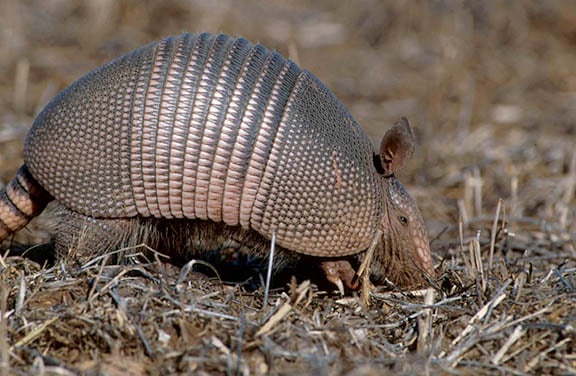
Origin of road-killed armadillo in southwest Ohio a mystery
An armadillo found as roadkill in southwest Ohio has researchers scratching their collective heads wondering from where the non-native mammal
Bowhunt gets started in Ohio with additional opportunity in CWD surveillance area
Hunters in Ohio’s chronic wasting disease (CWD) surveillance area have additional dates this season to pursue white-tailed deer. The Ohio
