




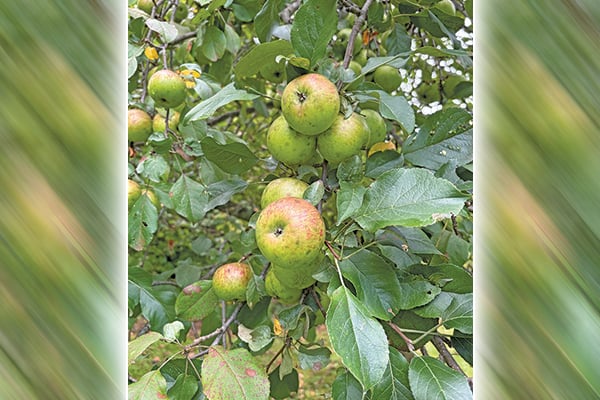
If you’re still working on a plan for opening day of the whitetail bow season or, if you’re like me, constantly looking for new spots, then the last-minute scouting agenda is simple: Focus on food.
But I’m not talking about ag fields. On private land, beans and alfalfa can be outrageous in the early season. If you’re hunting public land, however, odds are you won’t have the option of sitting over a manicured beanfield. What’s more, even on private ground with ag fields, sitting over the top of them isn’t my first choice for early-season hunts.
No, the food I’m talking about is the kind that forces you to become an amateur botanist to find. In fact, it’s often hiding in plain sight if you know what to look for.
I’m talking about mast, which for all the ink spilled about it over the decades still gets criminally overlooked by most deer hunters. It doesn’t matter if you’re talking non-native mast (like apples) or our native oaks and berries, whitetails love ‘em all and will happily make a short detour to gobble some up before strolling into that wide-open ag field.
Here are the three types of mast that have made the biggest difference in my deer hunting over the years.
Apples
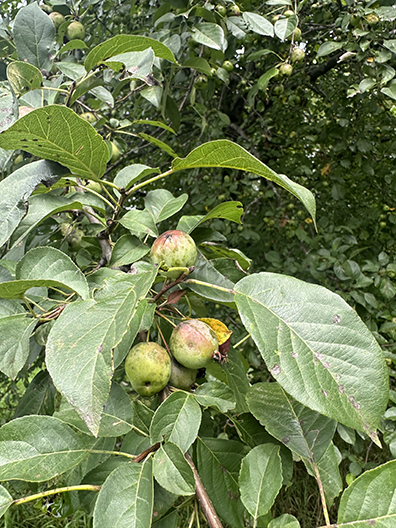
Starting with our favorite non-native and naturalized fruit, apples are enjoyed by many of us, including whitetails. With so many varieties, there’s a flavor for everyone, and that flavor is what I’m keying in on when I find a new tree.
Apples, depending on the variety and latitude, ripen anywhere from late August to mid-October. There are two things that will dictate whether whitetails visit an apple tree during daylight: how secure they feel around that tree, and the ripeness of the fruit.
If you think the taste won’t matter to a whitetail, you might want to more closely watch them eat.
That’s why I’m not afraid to take a bite when I find a new tree. Not that I won’t hunt a tree that’s not quite ripe, but it’s just that a sweeter fruit means that spot is going up the priority list. If you’ve got somewhat decent cover around a tasty apple tree, you’ve probably got a dynamite whitetail spot.
Depending on the situation, hunting near an apple tree can present a couple of unique challenges. Apples grow best in direct sunlight, which typically means the tree was planted in the wide open to ensure an abundance of light. Great for the apples, not so great for the deer hunter.
Occasionally, you’ll come upon one that’s within shooting range of a scraggly old box elder or Siberian elm. These aren’t ideal as stand trees, but can work in a pinch.
One of my favorite apple tree spots is in the middle of North Dakota, where an old, old windbreak of spruce trees ends about 25 yards from probably an equally old apple tree. Although it was a pain to climb, the spruce provided great back cover and a modestly comfortable setup.
More often than not, you might find an apple tree adjacent to a thicket of brambles, or maybe no cover at all. In these cases, it can pay to gently scout your way back to where you think deer are coming from. If that could be multiple spots, consider observing the tree for an evening from a distance to get a better handle on deer movement.
MORE WHITETAIL COVERAGE FROM OUTDOOR NEWS:
Four reasons you aren’t having the bowhunting success you want
Hunting in comfort: Is a box blind the best option for your top deer spot?
Want to hunt big game from a ground blind? Pay attention to the finer details
Acorns
What can be said about acorns and deer hunting that hasn’t already been said? Not much, I reckon, but I’ll reiterate that far too few deer hunters pay attention to acorns and the impact they can have on deer movement.
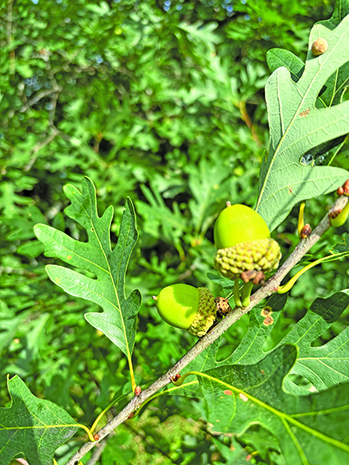
I’ve seen at least two years in my hunting career that featured such an obscene acorn crop that it altered how deer went about their business for the entire season. Packed full of energy that deer desperately need to harness before winter, whitetails will hammer these all season long while they’re still available, and that’s exactly what happened those two years.
Our most common oaks in Minnesota are northern red oak, bur oak, and in some locales, white oak. The general consensus is that acorns from the white oak family (bur, white) are generally more desirable than are acorns from the red oak family. Although I don’t doubt there is at least a grain of truth to that, I also think deer are going to eat the acorns that they can access, especially if that tree happens to be in a place they feel safe.
Either way, it pays to know the difference between red oaks and white oaks simply because that can tell you a lot about what else might be growing there, in addition to making semi-educated guesses about which acorns deer will eat first. Red oaks have pointed lobes, while bur and white oaks have rounded lobes. Simple as that.
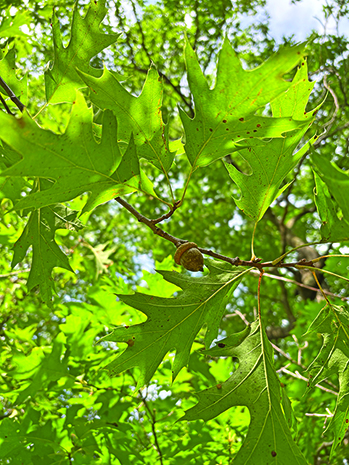
I’ve seen a bunch of bur oaks dropping acorns already, and a few red oaks seem to have started as well, so this may be a substantial factor in early bow season. That reason alone is good cause to start scouting oak trees for acorns.
In fact, that has always been the hardest part of hunting acorns for me – finding the tree that’s producing heavily. This can be especially time-consuming in areas with a large oak component. With their dull chestnut-brown color, acorns don’t exactly pop off the page the way a red apple does. That said, if you find one of those rare super-producers, it pays to mark it down.
Another major factor to consider before hunting acorns is the education factor. How close are deer likely bedding to that tree?
Is it a spot that you can reasonably get to and from without blowing out a bunch of deer? Odds are there will be a suitable stand tree near an acorn super-producer, but that won’t do much good if most of the deer bail before you’re even up the tree.
Plums
Last, but certainly not least, is the humble American plum. I remember picking ice cream pails of plums as a kid, and I still can’t resist popping one in my mouth as I drive by when they’re ripe. Turns out deer can’t resist them, either – like, really can’t resist them.
Plums may just be the most overlooked mast for deer hunting, but that’s OK with me. I’ve killed public-land deer over a good plum thicket in September, and I’ve done it after Christmas, so feel free to leave me in my plum thickets.
Plums are great because you can find them in just about every county in Minnesota. They can grow out in the middle of nowhere, although I most often find them on the edge of the woods, or very near the edge of the woods. Old fence rows seem to be a particular magnet for this thorny friend.
They’ll rarely get more than 15 feet tall, and the roughly one-inch fruits are ripening as I type this. When plums get ripe, it’s hard to miss them with their deep pink to purple hue. I’m guessing its this feature that also allows birds to gobble them up with impunity. In fact, if plums have a downfall, it’s that birds can sometimes clean them out in short order as the season opens.
That said, I’ve encountered plenty of thickets in my time that got picked over by birds and still had plenty of fruit to lure in a whitetail. Due diligence before opening day can be key here.
Another consideration is your setup. Right along the edge of the woods can be great, but you’ll have to have a good idea where deer are coming from to set up properly. So many times it seems like these wood edges are lousy with a dozen trails coming out at every turn.
Something else to ponder is using a ground blind, particularly if there is an adjacent thicket of dogwood or some other friendly, less pokey shrub. This can often improve your shot angle to the plum thicket compared with a stand on a fence line.
But again, make sure you have an idea from where deer are going to approach.
Final thoughts
Minnesota’s 2025 season (Sept. 13 opener) is bearing down on us fast, but that’s no reason to be caught without an opening-day plan.
Outside of the rut, deer are nearly always following their stomachs. That’s as true now as it will be on Christmas day, but knowing the foods to key on can make a world of difference.
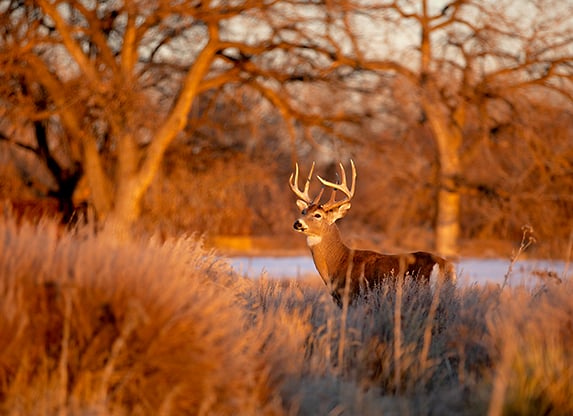
Pennsylvania’s hunting license sales down so far this year
Hunting license sales are down nearly 4.5% at the end of August, although Pennsylvania Game Commission officials believe there is
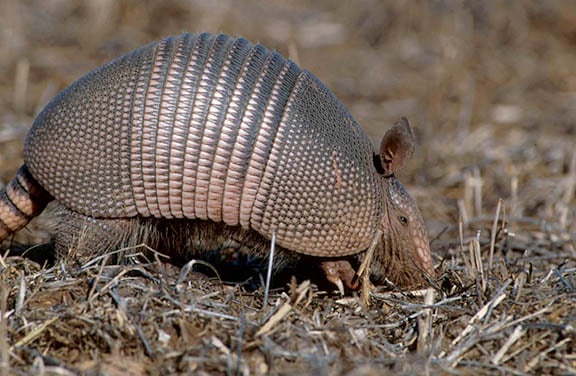
Origin of road-killed armadillo in southwest Ohio a mystery
An armadillo found as roadkill in southwest Ohio has researchers scratching their collective heads wondering from where the non-native mammal
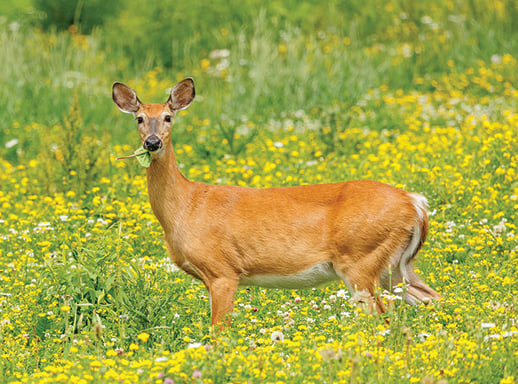
Bowhunt gets started in Ohio with additional opportunity in CWD surveillance area
Hunters in Ohio’s chronic wasting disease (CWD) surveillance area have additional dates this season to pursue white-tailed deer. The Ohio
