




In general, animal welfare (aka animal rights) groups exist for two reasons. One, to provide jobs for the founders and leaders of the groups.
Reason two is to alleviate what they allege to be unwarranted abuse of fish or wildlife.
If you look at the salaries and lifestyles of the founders and executives of these organizations, you’ll quickly learn these two reasons are not equally important.
 Reason two is important only to the point that reason one relies on duping donors into believing that almost all of their donations will be used to rescue lost pets, ensure livestock live happy lives, or to save wild animals from psychopathic hunters and anglers.
The Humane Society of the United States – now renamed Humane World for Animals – is one of the country’s largest animal welfare non-profits. HWA spends less than 1% of its budget on pet shelters.
According to the Center for Consumer Freedom, the majority of the donations they get are used for projects and promotions geared to solicit more donations. The salaries, perks and expenses for their executive staff runs in the millions annually. They mostly spend money to generate money.
A small part of this is direct advertising but putting ads in major media outlets is very expensive and it’s hard to quantify the return on that investment. However, for a similar amount of investment, these groups have learned they can gain much more attention by filing lawsuits against individuals, corporations or resource management agencies and by cultivating legislators to introduce legislation against hunting, fishing, trapping, zoos or livestock farming.
MORE COVERAGE FROM OUTDOOR NEWS:
Ron Schara: Enough with the scare tactics when seeking donations for wildlife
Minnesota DNR proposes walleye limit reduction from six to four
Ohio hunter arrows massive non-typical buck after a second encounter
It doesn’t matter that the lawsuits border on being frivolous or the legislative proposals have very little chance of ever gaining majority support. What matters is these court cases and political maneuvers are newsworthy. A segment on network news or columns in major newspapers or magazines costs them nothing and may reach more individuals than paid-for promotions.
Success breeds imitation. Just as the success of McDonald’s fast-food chain back in the 1950s produced dozens of copy-cat businesses, the success of early humane nonprofits like HSUS fostered dozens of similar organizations with similar business models.
Remember, the goal of these animal welfare groups isn’t to end hunting, fishing or other activities they deem to be offensive. That would put them out of business and their income stream would dry up. Instead, they fan the flames by choosing small battles to fight.
Recently a new group, founded in the United Kingdom just two years ago, has immigrated to the United States and has set up shop in several states. This group, called Upstream Policies, is an offshoot of, and funded by, Charity Entrepreneurship, a group dedicated to animal rights advocacy.
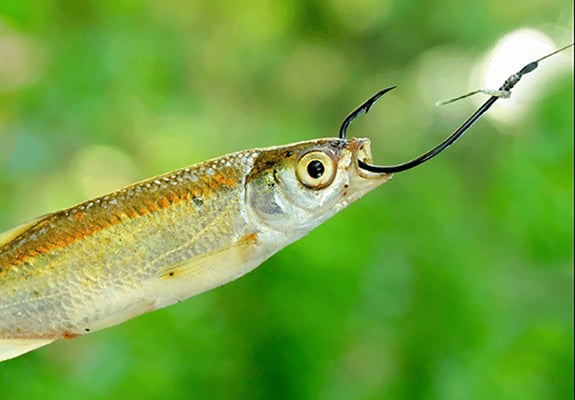
The small battle they’ve imported is to ban the use and sale of minnows (or any other live fish) as bait. Currently, activists from this group have picked specific states in the USA to focus their effort and money on to find legislators to introduce bills in the state assemblies to ban the use of live fish as bait to catch other fish. The states targeted last year and for 2026 are Colorado, Delaware, New Hampshire and New York.
I’m sure they did their due diligence in selecting these states, factoring in finding legislators willing to introduce the legislation, the ease of moving proposals through the legislative process, and the success of past animal welfare initiatives in those states.
In Europe, similar laws have been passed. Still, the Upstream Policies group understands here in the U.S. anti-fishing legislation will be a hard sell, so instead of laws proposed based solely on the humaneness of skewering a live minnow with a hook, so that a larger fish could be impaled with the same hook, they’ve taken another approach.
These anti-fishing activists are hoping that coupling the use of live baitfish to the potential spread of invasive species and disease from one area to the other areas will be a winning combination. They’ve produced several “fake news” research papers to back their claims that minnow fishing is causing or could cause environmental issues.
Though no states in the U.S. currently ban using live minnows for bait; most, including Michigan and the states targeted by Upstream Policies, already have restrictions regarding what species of fish can be used as bait, catching bait for personal use, and special regulations that bait dealers must follow to legally sell baitfish. Safeguards are already in place.
If you are one of the two of every three anglers who rely on live bait at least some of the time and want more information, a great source on this subject is: www.asafishing.org/news.

Why fall walleye fishing is a different game – video
Five tips for catching those fall walleyes, and now.
Mike Raykovicz: Add purslane to the list of nature’s bounty worth foraging for
Foraging goes back for as long as man has inhabited the earth. I’m a forager of sorts and I’ve searched
USA Bass Team hooks second straight title at World Championship
The USA Bass Team cruised to its second straight gold medal at the 20th World Black Bass Championship, which was

4 thoughts on “Mike Schoonveld: Anti-fishing group seeks ban on minnows for bait”
That’s a very jaded view of charities, sounds like rancid Wronger politics to me, just anti-charity in general apparently…that said – banning live bait is a horrible idea.
It will never happen. What have they done so far. Nothing but raise money from progressive fools.
I do have a jaded view of many charities. That doesn’t mean there aren’t any good ones worthy of my support (and yours). Were it not for the National Wild Turkey Foundation, turkeys would not be widespread in Michigan. Other habitat organizations – Pheasants Forever, Ducks Unlimited and others are excellent, as are conservation groups working close to home on a variety of issues.
Just read your informative column in Mich Outdoor News…. You did a great service. People need to know ahead of time that it is headed this way. Going to be sharing this column with friends and neighbors.