





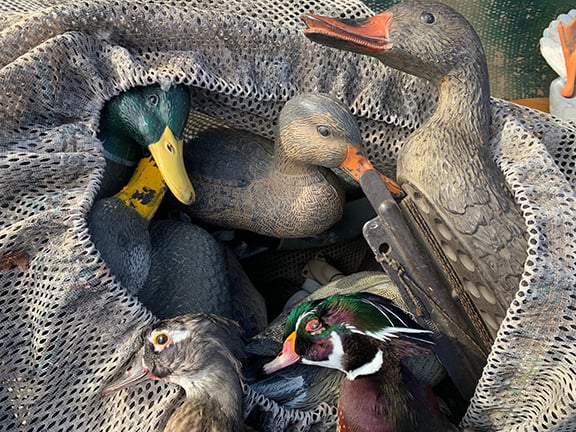
Minnesota 16-year-old injured while duck hunting
On Monday, the Meeker County Sheriff’s Office received a report of a hunting accident in Forest City Township near Litchfield.
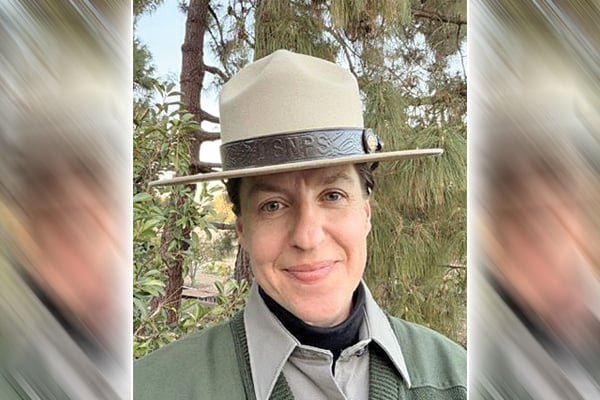
Minnesota’s Voyageurs National Park has new leader in Jennifer Onufer
The National Park Service last week announced the selection of Jennifer Onufer as its next superintendent of Voyageurs National Park.
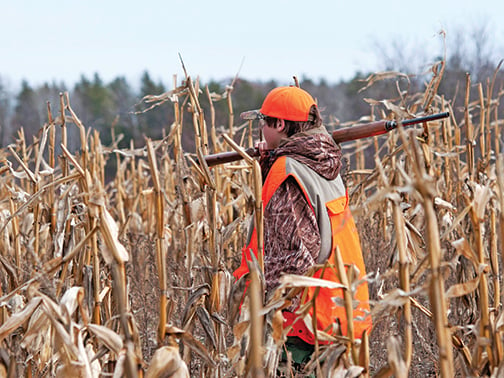
Minnesota DNR seeks input on WMA, AMA plans
The Minnesota DNR is inviting Minnesotans to participate in a public scoping period to help shape landscape-level plans for the
