





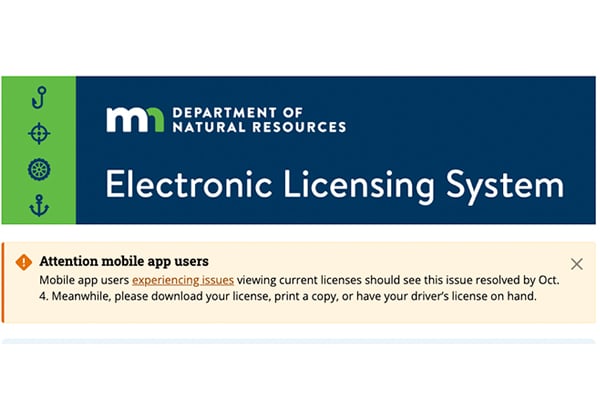
Minnesota DNR working to fix bug in mobile app by Oct. 4
Thanks to a recent update to the Electronic Licensing System from vendor PayIt Outdoors, the Minnesota DNR’s new mobile licensing
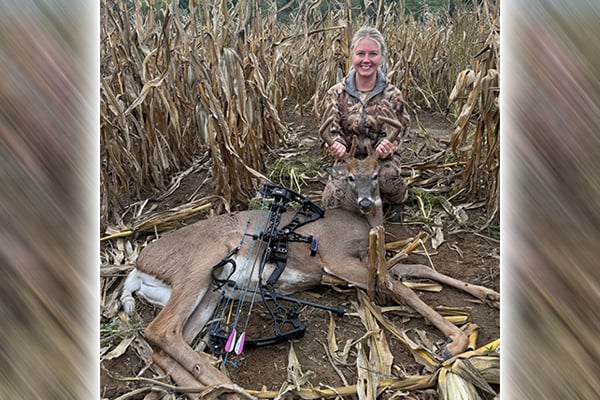
First deer for 22-year-old archer is a rarity in Minnesota — a 10-pointer still in velvet
Passionate Minnesota bowhunters often travel out of state to kickstart their deer season because of the opportunity to shoot a

Michigan DNR asks public to report sick deer as EHD surfaces
Michigan’s archery deer season opened Oct. 1 with some questions about the state’s deer herd.
The DNR has noted
