





Pennsylvania Letters to the Editor: Use drones over private property
Reader-submitted letters to the editor published in the Sept. 25, 2026 edition of Pennsylvania Outdoor News.
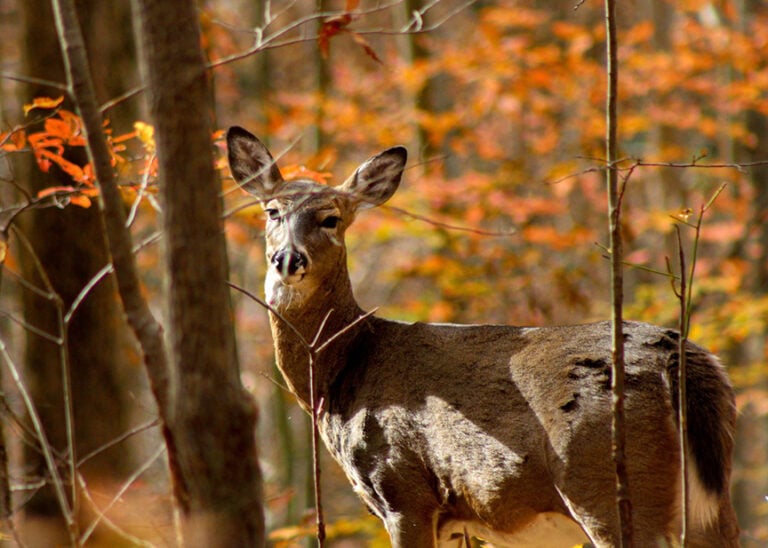
Notes off a soiled cuff: Pennsylvania among leaders when it comes to antlerless harvest
The National Deer Association’s most recent Deer Report might interest you. It compiled white-tailed deer harvest statistics for the 2024-25
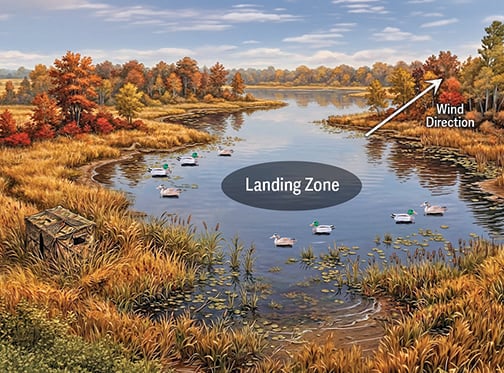
Mastering early season duck decoy spreads; a time when less is more
It was better than Christmas morning – opening day of duck hunting. I had just turned 14, and with a
