




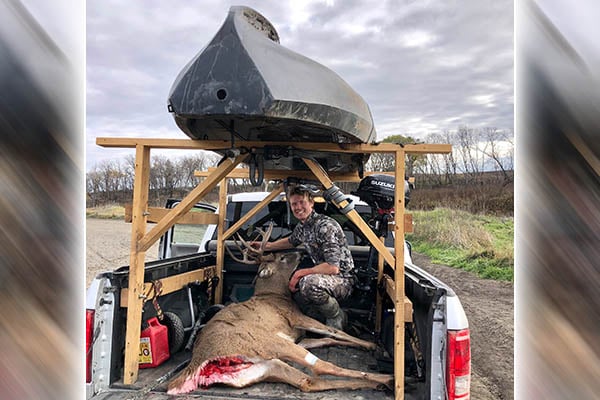
Winds were gusting to over 40 mph on the afternoon of Nov. 2 last year as I slipped quietly up the river in my kayak for an afternoon bowhunt.
These types of winds are not a reason to stay home. They are an opportunity to get close to whitetail bedding areas undetected. The plan that day was to take advantage of the conditions and set up in a tree 20 yards off the river in thick cover.
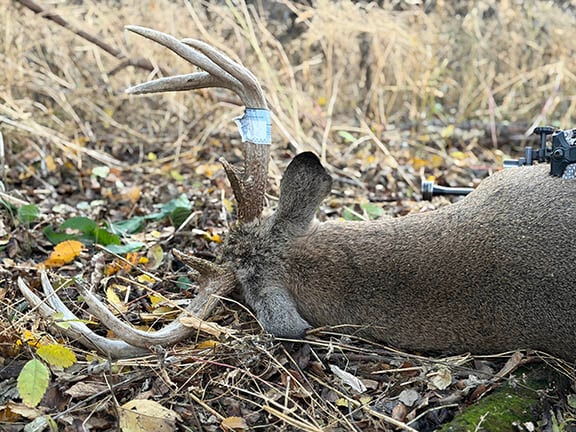
This would require using the kayak to slip past a primary bedding area – a wide swath of 10-foot high ragweed with a mix of shrubs and deadfalls that is always loaded with deer sign.
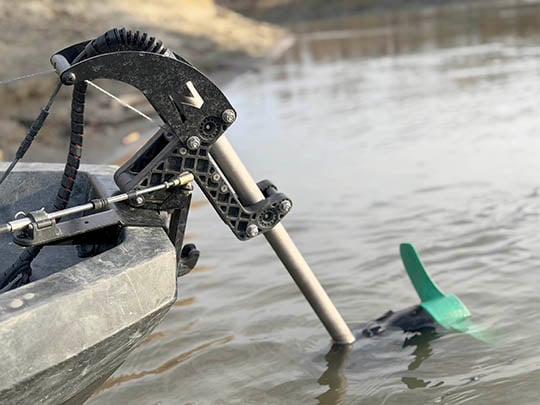
The banks on the river here are steep enough that I’m able to travel along the shoreline closest to that security cover and stay hidden. Using the kayak is a completely silent approach after installing an electric motor with foot-control steering ahead of last fall.
A 2.5-year-old buck chased a doe on the opposite tree line on my way in that afternoon. They paid me no attention, which is quite common. Deer don’t seem to recognize humans as a threat nearly as much on water as they do on land.
The wind gusts covered up my sound and movement as I slowly got set up in the tree by 3 p.m. It was about an hour later when a mature nine-pointer appeared from the bedding area I had kayaked past, offering a perfect 15-yard shot. You can watch a video of the hunt here:
There are a few factors that led to this filled tag on an out-of-state trip. Scouting in August was of utmost importance, and the strong winds helped. But none of that would have mattered without entering by water. Had I come in by land, my scent with the west/northwest wind would have blown into the bedding area. I never would have seen this buck.
Using rivers, lakes, and creeks is often the best way to access a stand location. It’s a fun and effective way to hunt, and it doesn’t have to be a huge chore once a boat is properly equipped.
Here are ways you can use a kayak to shoot more deer this fall.
MORE WHITETAIL COVERAGE FROM OUTDOOR NEWS:
Deer density estimates rise in year two of northeast Minnesota camera study
Ohio’s Lloyd Lynch still punching hunting tags at 101 years old
Outdoor Insights: A slice of reassuring news on the CWD front
What do you need?
Think about the waters you are hunting when choosing a kayak, canoe or boat that will fit your needs. How big is the water and how fast is the current?
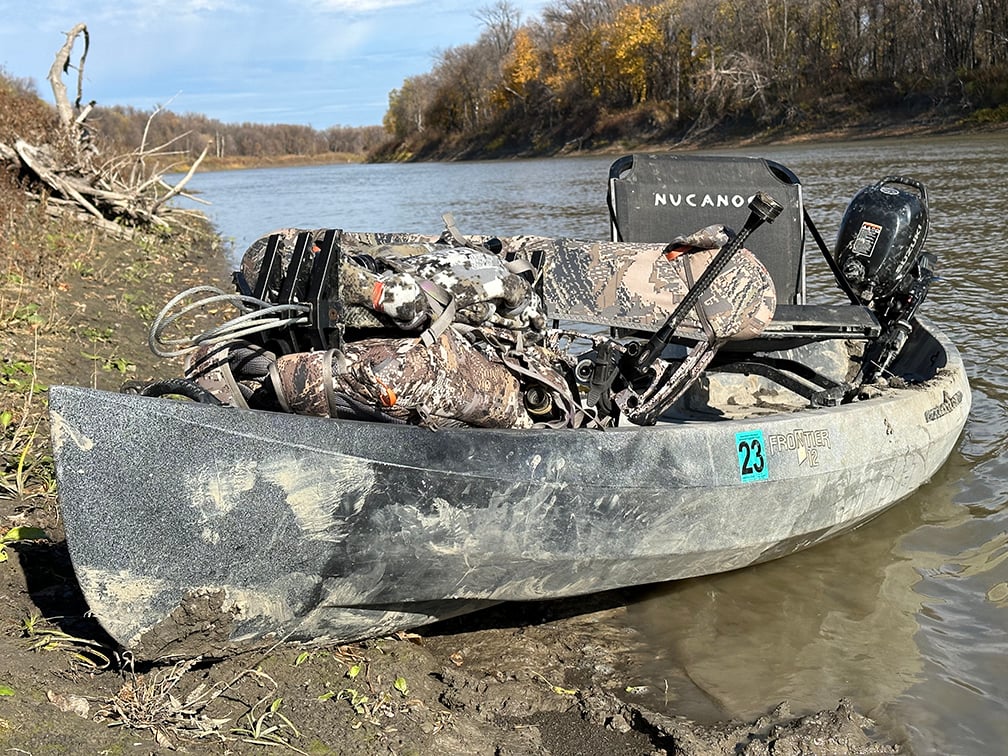
I bought a Frontier 12 kayak from NuCanoe because it’s stable and has the deck space to carry my pack, a bow, a deer, and me. That was more important to me than a less stable kayak built for speed.
This thing is nearly impossible to tip, putting my mind at ease while traveling on some bigger rivers. It’s a bit heavy with a hull weight of 80 pounds, but I can lift it onto the rack in the bed of my truck with the help of a two-wheeled cart.
If you are on bigger water with fast current, you’re likely going to need some type of outboard. For years I used a 2.5 hp four-stroke outboard. It did the job, but it was loud.
I bought an electric motor with foot steering last summer. No more dealing with gas and oil, a motor that won’t start quickly in cold conditions or headaches trying to balance weight properly on the kayak while steering with a tiller.
It wasn’t cheap buying a 36-volt deep cycle battery and the motor, but going electric is an awesome option that has been worth the money for both fishing and hunting.
Just having the kayak and a paddle will get you into many places others can’t reach. Add on accessories to the kayak over the course of years as needs arise, if need be.
A stealthier approach to in-season scouting
You’ll find when hunting river or creek systems that the best deer bedding is often in thick cover along the water’s edge.
This can make it easier to pinpoint bedding areas, but it’s not always easy getting close. That’s especially true if you’re looking to hang a stand and immediately hunt based off of fresh sign.
I hunt an area on an out-of-state trip each fall where the river runs north and south and I can only hunt the west side of the water. That means west-based winds, which are common, blow my scent into bedding areas when walking along the river bottom looking for sign.
Instead, I scout after the rut each year and try to identify community scrapes – those car-hood sized scrapes in areas where trails converge. Pinch points near security cover are ideal.
It’s not a sure thing, but rubs and scrapes here often pop up every year. Mark them on your mapping app, then use the kayak to enter up the river and walk in to see if the sign is telling you to hunt there.
This strategy works best when bucks are aggressively laying down sign as peak rut nears. It’s not a perfect solution by any means. I’d much rather cover a wider area when the conditions allow me to do so, but this targeted approach can work when winds aren’t in your favor.
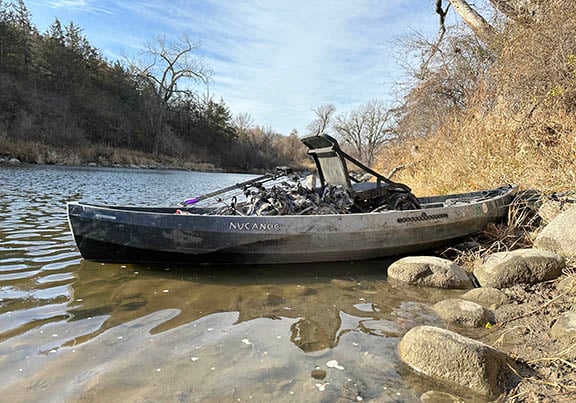
Access to hunting where deer are in daylight
Deer are often on their hooves during daylight hours more often than many hunters seem to believe.
I don’t mean they’re taking long excursions outside of the rut. But they do make short movements to browse, grab a drink of water, or adjust to changing conditions.
To see that type of movement consistently, you have to be where deer feel comfortable moving in daylight. This often means hunting strategically within security cover, and no type of terrain helps you do this more effectively than areas with water access.
Two years ago on Sept. 1 I was in a tree overlooking a specific bed that set up perfectly for early season hunting. It was located in a low area in an oxbow on the river where a deadfall within a ragweed patch provided shade from the sun. There were also plenty of forbs to feed on nearby.
The sharp snap of a twig caught my attention two hours into the morning as a nice buck appeared from the jungle of cover. The buck walked 20 yards past me and into that bed. The kayak was parked on the river bank 15 yards behind me.
Do plenty of scouting to find security cover like this right off the water. Have stand trees selected and ready to go and then slip in the back door with the kayak when conditions allow for it. Morning hunts especially become consistently more productive by executing this approach.
Very rarely am I hunting more than 20 yards from the bank of a lake, creek, or river. You can often hunt these spots over and over again because your impact is so minimal compared to the ground scent left behind when entering by land.
Outdoor Insights: Time to raise Minnesota fishing license fees for nonresidents? And more election season thoughts
Quick comments on a few stories that have appeared in the news recently.
A buddy’s post on social media
Pro Fishing Tip of the Week: Catching fall giants on Mississippi River waters in Minnesota
We guide exclusively on the Mississippi River and the tributaries. The Mississippi is my favorite water body, and choosing between
Minnesota’s deer harvest trending well ahead of 2025
Wildlife managers from the Minnesota DNR expected hunters would shoot more deer this year, and early harvest numbers this fall
