




Michigan Mixed Bag: Hunters reminded to ‘Clean. Drain. Dry.’ to protect waterfowl habitat

Lansing — As waterfowl hunting season begins, hunters are reminded to take extra precautions to prevent the spread of invasive species.
CLEAN equipment (including waders, decoys, straps, anchors, boats and trailers) thoroughly between trips to keep from transporting undesirable plant fragments, seeds or organisms from one site to another; DRAIN all water from boats, trailers and equipment; DRY boats, gear and equipment for five days (if possible) before transporting to another body of water; inspect all gear and equipment before and after use, including anchors, decoys and lines, blinds, waders and clothing.
MORE COVERAGE FROM MICHIGAN OUTDOOR NEWS:
Outdoor Observations: Should Michigan game managers reduce deer harvest in areas hit hard by EHD?
Michigan hunters face multiple challenges during early elk season
CWD confirmed in Michigan’s Genesee County for the first time
Waterfowl Hunters: Protect Yourself from Bird Flu
Lansing — The Michigan DNR reminds waterfowl hunters to protect themselves and domestic animals amid ongoing cases of highly pathogenic avian influenza (HPAI). Commonly known as “bird flu,” HPAI is a highly contagious respiratory disease that causes sickness and sometimes death in birds and mammals. Wild birds can carry HPAI without appearing sick.
HPAI has been found in North American waterfowl since 2021.
This year, the DNR has detected cases of HPAI primarily in Canada geese, bald eagles, and red-tailed hawks. A list of detections are posted on the DNR’s HPAI webpage.
Hunters should take the following precautions to avoid contracting or spreading bird flu: cook all meat to an internal temperature of 165 degrees F; process wild birds in the field. Remains from processed birds should be buried on-site or double-bagged and disposed of with household trash; avoid touching your eyes, nose and mouth when handling wild birds; wear rubber or disposable gloves while handling and cleaning wild birds and wash hands with soap or alcohol-based cleanser; thoroughly clean and disinfect all knives, equipment and surfaces that come into contact with wild birds; do not eat, drink or smoke while handling or cleaning wild birds.
For more information, visit the Department of Health and Human Services web page for Communicable Disease Information and Resources or the Centers for Disease Control and Prevention web page for Avian Flu.
Sunny, Dry Fall Weather Means Increased Fire Risk, Especially in Northern Lower Peninsula
Lansing — Downed wood from the March ice storm in northern Michigan forests and a forecast string of dry days mean people need to be careful with fire through the fall.
Risk is heightened in the northern portion of the state where an epic ice storm in March left tons of wood from snapped trees and broken branches on the ground. Despite massive cleanup efforts, some areas of state and private forests are still clogged with debris.
If you do need to burn, keep these safety tips in mind: before burning yard debris, see if burn permits are being issued or if weather conditions allow for safe burning. Call 866-922-BURN (866-922-2876) for more information; keep debris piles small. A large pile can burn for hours; build your campfire in a metal ring or pit. Never leave a fire unattended, and thoroughly douse the fire with water, stir and douse again; ensure tow chains don’t drag and cause sparks; avoid using heavy machinery like lawnmowers in dry areas; don’t park an ORV or other vehicle on dry grass.
Learn more on the DNR’s fire safety web page.
Registration Open for Great Lakes Commission Annual Meeting
Ann Arbor, Mich. — Registration is open for the 2025 Great Lakes Commission Annual Meeting, October 28-30 in Duluth, Minnesota.
The meeting will feature expert panels on microplastics in the Great Lakes, solving harmful algal bloom mysteries, water sustainability and reuse initiatives and more. A St. Louis Estuary field tour on the Duluth River Train and “Ripples of Plastic” movie screening are planned for October 28, followed by the meeting.
Visit www.glc.org/work/water-infrastructure for more info.
Hillsdale College Nimrod Education Center Hosts Youth Dove Hunt
Hillsdale, Mich. — Hillsdale College’s Nimrod Education Center held its first youth dove hunt on Sept. 20. The free hunt was open to youths ages 10 and up, and parents were invited to participate.
“The American dove hunt is not simply about the pursuit of game. For generations, it has stood as one of the foremost ways hunters have supported wildlife conservation in America,” said Al Stewart, director of the Nimrod Education Center. “In the American model, conservation exists because hunters choose to pay for it. By bringing youth into the field, the Nimrod Education Center is not simply teaching them to hunt; it is teaching them why hunting is indispensable to the preservation of our natural heritage.”
Participants gathered at the Halter Center in the morning for introductions, gun safety instructions, explanation of dove hunting, a presentation about the North American Model of Wildlife Conservation and shotgun shooting.
A shuttle bus then took participants to the dove field in New Haven, Indiana.
Dove hunt participants spent the afternoon hunting for mourning doves. After the hunt, participants learned to clean the birds and prepare a wild game dish. They enjoyed dinner and fellowship at the dove field before returning to the Halter Center.
SUBSCRIBER CONTENT
Read this article now.
Create a free Outdoor News account.
Create a free account below to get instant access to this article, thousands of Outdoor News stories, and our digital editions. Your 1-month trial starts the moment you sign up.
No credit card required
No credit card required
Subscriber? Login Here.
Share on Social
Hand-Picked For You
Another Maryland Master Angler recognized for 10 species of fish
Pennsylvania man is guilty of homicide in UTV, lake incident
Commentary: Minnesota Duck group responds to column about Citizen’s Conservation Advisory Council
Dan Small Outdoors Radio: Show 2142
Pennsylvania’s archery elk hunters do better than in previous years
Pennsylvania Mixed Bag: Allegheny National Forest, U.S. Forest Service donate firetruck
Related Articles
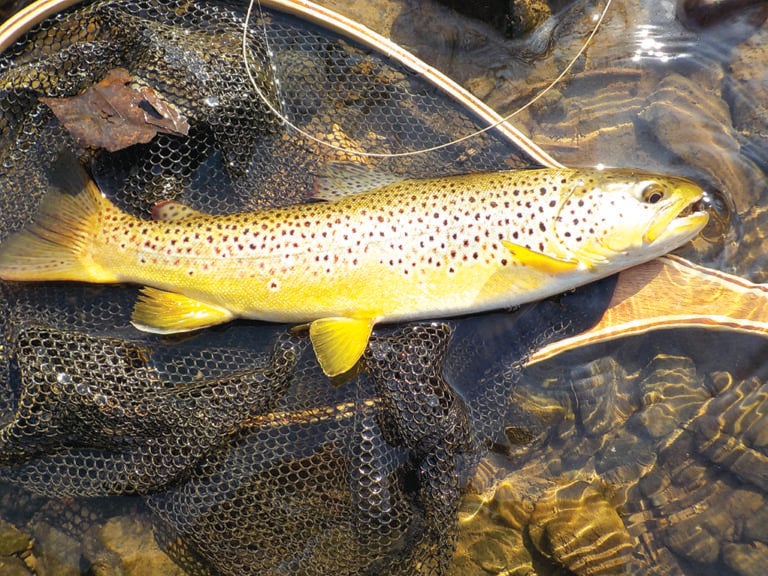
Fishing regulations lifted on several northern Pennsylvania lakes
The Pennsylvania Fish & Boat Commission is alerting anglers that effective immediately, a temporary change in regulations has been enacted
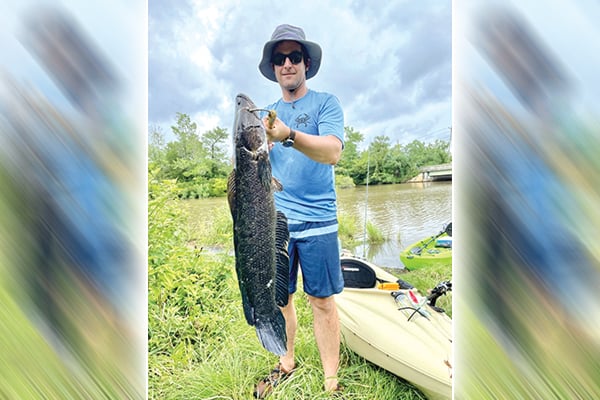
Another Maryland Master Angler recognized for 10 species of fish
Jason Koontz, of Frederick, has earned a Master Angler Milestone Award under the Maryland Department of Natural Resources’ FishMaryland program.

Pennsylvania man is guilty of homicide in UTV, lake incident
A Westmoreland County man has been convicted of homicide by vehicle in the February 2025 death of a friend who
