
Ever since the first live-sonar units hit the market six years ago, the outdoors media has reported some controversy regarding the advanced fish finding technology. Several manufacturers build the units, and the advanced fish-finders are generally referred to as forward-facing sonar (FFS).
FFS allows anglers to see real-time, live imagery of fish underwater. More advanced users can actually watch their fishing lure or bait underwater, maneuvering it directly to the fish. Some have argued the technology is too good and the anglers using it could put extra pressure on fish populations – especially crappies and muskies. Now, concern that the technology might be too good has led Mississippi biologists to reduce crappie creel limits on the state’s most popular lakes.
Home » Home Page News » Mississippi reduces crappie limits, becoming first state to reduce limits in response to live sonar
Mississippi reduces crappie limits, becoming first state to reduce limits in response to live sonar
SUBSCRIBER CONTENT
Read this article now.
Create a free Outdoor News account.
Create a free account below to get instant access to this article, thousands of Outdoor News stories, and our digital editions. Your 1-month trial starts the moment you sign up.
No credit card required
Subscriber? Login Here.
Share on Social
Hand-Picked For You
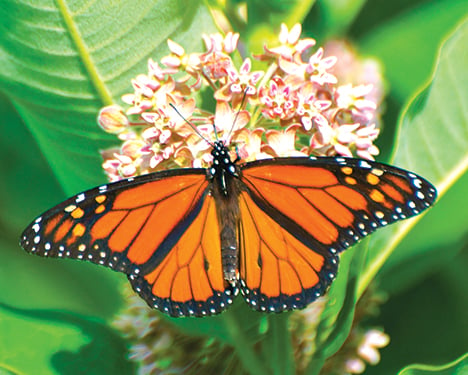
Who should manage Pennsylvania’s insects? Study aims to find out
Pennsylvania Mixed Bag: Docks removed early at Lake Wallenpaupack
Pennsylvania’s hunting license sales down so far this year
Spring Garden Dam removal at Tyler State Park starts
EHD in Michigan’s deer herd concentrated to four counties so far
Michigan’s statewide fishing and hunting report on Sept. 18, 2026
Related Articles

Who should manage Pennsylvania’s insects? Study aims to find out
Efforts underway in Harrisburg could bring stronger protection to Pennsylvania’s butterflies, bees, fireflies, spiders and countless other native terrestrial invertebrates,
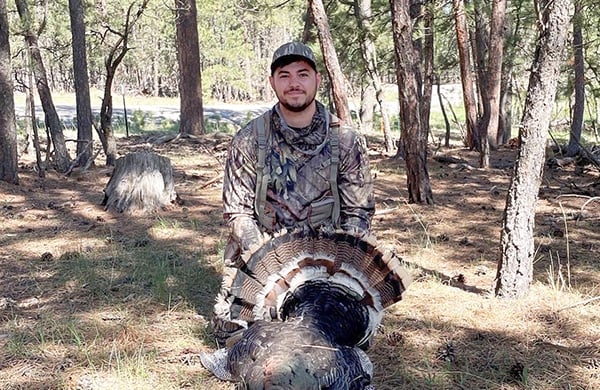
Behind the Scenes: Illinois native Brodie Eddington gained valuable experience as Farm Bill biologist
Western Illinois native Brodie Eddington is turning a lifelong passion for the outdoors into a career protecting Illinois’ wildlife resources.<br
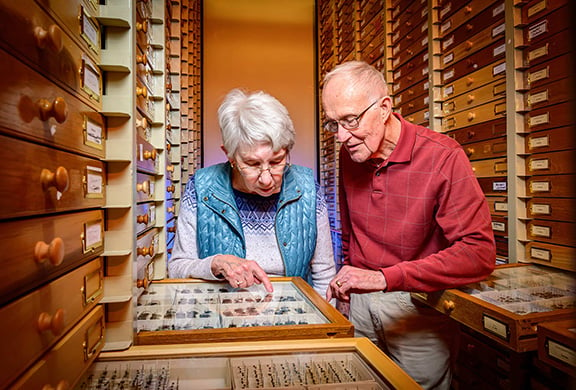
Retired couple maintains commitment to Illinois Natural History Survey’s insect collection
What began as volunteer work became something more: a family commitment to preserve one of North America’s oldest and largest