




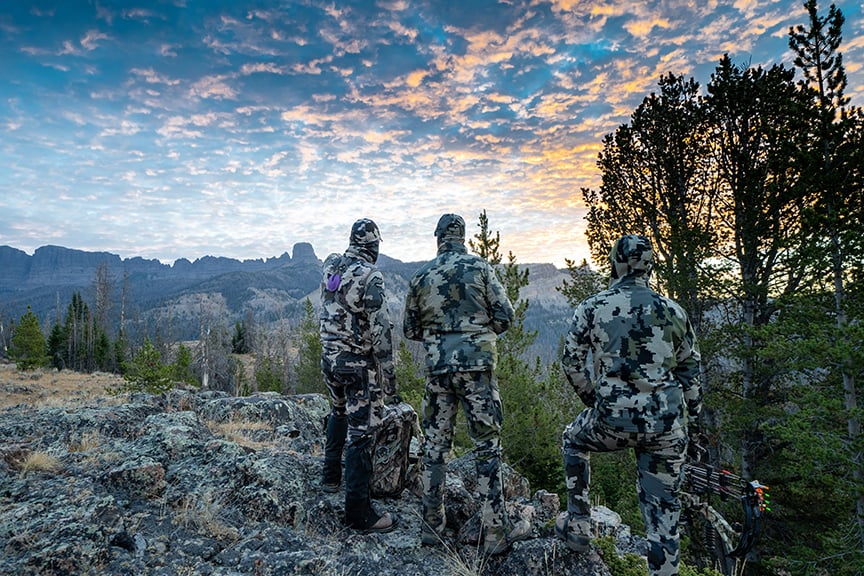
The U.S. Department of the Interior’s Strategic Plan for 2026-2030 last week somehow shocked the few remaining outdoors writers in this country who still believed the Trump administration had some regard for our nation’s public lands.
The 28-page plan, which looks like something an AI bot threw together in seconds, prioritizes land sales, energy development and government downsizing over conservation and public access.
 As an AP story documented in this paper last week, the Nov. 11 plan proposes more workforce reductions at already understaffed federal land-management agencies while carving out space to build data centers and eliminating public review. It threatens generations of American conservation achievements.
Two years ago, people told me to calm down regarding the Republican Party platform and the Heritage Foundation’s Project 2025, which called for selling off federal public lands. Just five months ago, nominee for Bureau of Land Management director Steve Pearce told senators at his confirmation hearing that public land sales weren’t in the BLM’s playbook. Now they’re front and center in Interior’s five-year plan.
Presumably the next Congress can tap the brakes on this nonsense, and at least the administration is being honest about where it stands. Defending it, Secretary of the Interior Doug Burgum on Fox Business on Monday, Nov. 16, called conservation advocates’ objections “grift” and “manufactured hysteria,” then regurgitated the talking point that land transfers would be to state governments or tribal entities rather than directly to private developers.
This means nothing because the states can’t afford to manage these lands, so they’ll just sell them off. Then they got a chuckle when co-host Brian Brenberg referred to opponents as the “climate brigade.”
Just so everyone is clear: If you use, support, or otherwise advocate for public lands these days, the current Interior secretary considers you part of a grifting climate brigade. Ponder that while sitting in a waterfowl production area duck blind this weekend. If you have a moment between massive flocks of divers, call the White House at 202-456-1111 and tell staffers how you feel.
MORE COVERAGE FROM MINNESOTA OUTDOOR NEWS:
Will colder weather deliver a late-season bonanza for Minnesota’s duck, pheasant hunters?
Minnesota DNR sets two-walleye limit for Mille Lacs this winter
Woodcock fans ‘band’ together for this little game bird
BADGER LEGACY? Minnesota conservation leader Joe Duggan visited Wisconsin last month to help outdoors folks there explore ways to replicate our successful dedicated conservation funding model.
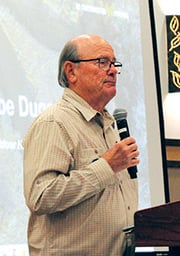
Duggan, a retired Pheasants Forever leader who played a big role in passing the Legacy Amendment in 2008, addressed 100 participants at the Wisconsin Conservation Funding Coalition’s Oct. 26 meeting in Stevens Point.
Given that it took the better part of a decade to get Legacy on the ballot, Duggan emphasized the importance of persistence, coalitions, and safeguards ensuring dedicated dollars support their intended purposes. “… it’s going to take some time,” Duggan told the Wisconsin group. “But the run is worth it.”
Spearheaded by the Wisconsin Wildlife Federation, the coalition formed this fall has brought together groups representing a wide range of outdoor interests. Hunters, anglers, birders, trappers, and other outdoors advocates are joining forces to seek a more reliable funding source for natural resources management over there.
Minnesota outdoors groups need to heed Duggan’s message as our Legacy renewal efforts advance here. North Dakota proved in 2014 that the public can reject outdoors funding, too. The Minnesota coalition held another of its double-secret probation meetings last week, and the vibe I’m hearing is that a ballot question might have some momentum for 2028. We’ll see.
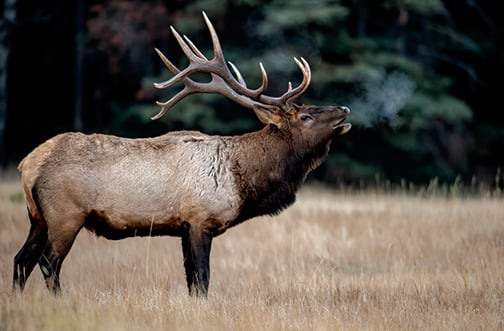
Minnesota elk hunters go eight for 12 this fall
St. Paul — A majority of the limited tags made available were filled during this year’s Minnesota elk season, with
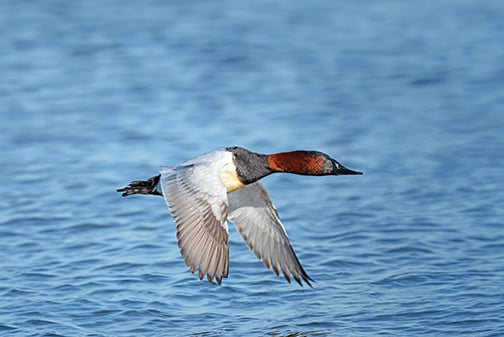
Will colder weather deliver a late-season bonanza for Minnesota’s duck, pheasant hunters?
Shakopee, Minn. — It’s been said that predictions are hard, especially about the future.
When it comes to chasing
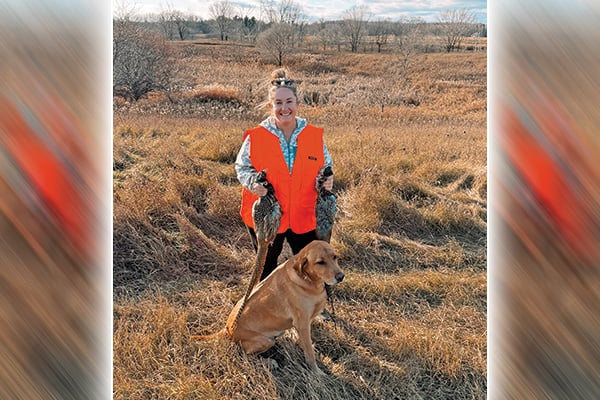
Pro Hunting Tip of the Week: Late fall and early winter rooster adventures
Pheasants are great at hiding in thick cover, tall grasses, and brushy areas once the temperatures drop. They seek thicker
