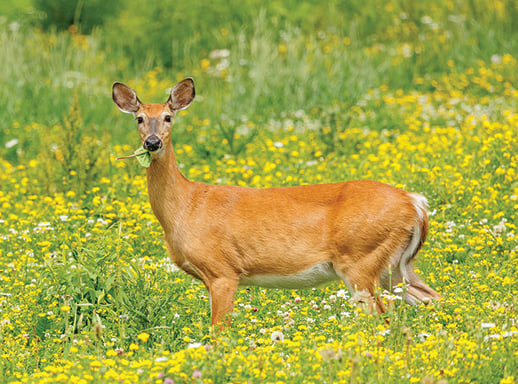
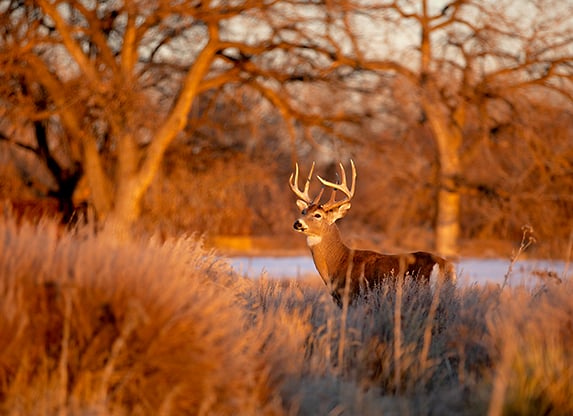
Lansing — In response to the detection of bovine tuberculosis in a Charlevoix County cattle herd, DNR and the Michigan Department of Agriculture are conducting deer sampling in Charlevoix and Antrim counties to determine if the disease is present in the local wild deer population.
There have been no previously documented cases of bovine TB in deer in the counties.
In addition, bovine TB testing will be available for hunter-harvested deer from Charlevoix County this fall. Disease sampling efforts in Charlevoix and Antrim counties are unrelated to any other deer removals in the state.
MORE COVERAGE FROM MICHIGAN OUTDOOR NEWS:
Ralph Loos: Incidents, accidents part of managing fish
Changes to Michigan’s elk season in play, including fewer tags
Bovine TB is a bacterial disease that can affect all mammals, including humans. It is known to be present in the free-ranging deer population in specific areas of northeastern lower Michigan, and the disease can be transmitted between deer and cattle.
“Disease does not follow property boundaries or county lines, and we appreciate the cooperation of private landowners who make these efforts possible,” said Mitch Marcus, DNR Wildlife Health supervisor. “It takes many partners working together to understand the impact of disease on the cattle herds and wild deer that Michiganders depend on.”
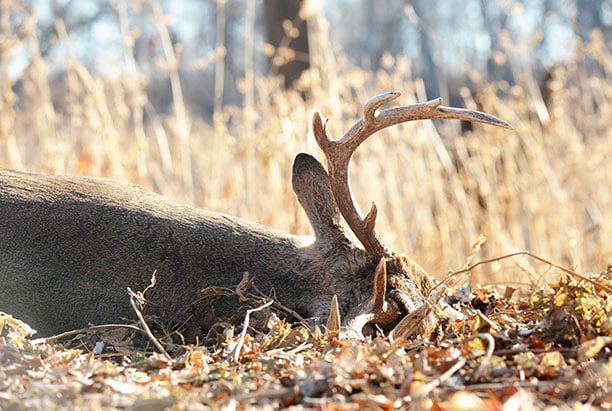
To test for bovine TB, deer are harvested with landowner consent, then transported to the Michigan State University Veterinary Diagnostic Laboratory. DNR said it is working with partners to ensure that all venison that tests negative for bovine TB is donated to provide meals.
Antrim County and Charlevoix County Farm Bureau, along with Little Traverse Conservancy, have coordinated the meat processing. Also, the Baiardi Family Foundation has provided funding, and the Manna Food Project is stepping in to distribute the venison.