





There were fresh deer droppings and tracks all over a corner of the beanfield that had just been combined during the previous week.
The problem? The corner was 15 yards from a well-traveled road with homes all along it as it winds around one of the most popular lakes in this area of Minnesota.
Deer were certainly feeding here under the cover of darkness. So, where were they entering the field and how could I catch them during daylight? I was pretty confident those questions had been answered exactly a year ago to the day.
I shot a doe on this same property on Oct. 15, 2024, after finally trusting my instincts. Earlier during the 2024 season, I had walked past the area where I set up that night, ignoring the details that were right in front of me.
There was a fresh scrape just off the field, as well as trails leading through the reed canary grass near the edge of a tiny wetland. Fifteen yards farther into the trees were piles of droppings that indicated deer were spending some time there before entering the field.
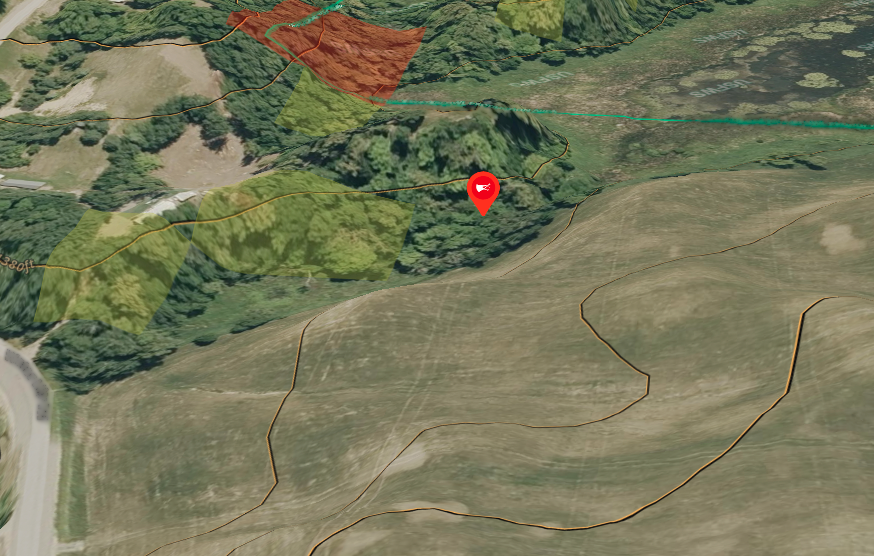
The issue was that it was 100 yards from that road. I stood and thought for five minutes but couldn’t get past that and decided to keep moving. A bunch of deer spooked from that exact spot on my way back out that night after a fruitless sit. Lesson learned.
A few weeks later, with the beans now combined and waste grain making this a primary food source again, I set up in that little staging area. Six deer came from the adjacent thick cover, and the biggest doe of the group offered a 10-yard shot.
MORE WHITETAIL COVERAGE FROM OUTDOOR NEWS:
Near-ideal conditions set up promising deer season in many parts of Minnesota
Strange deer stands: A classic tale of going after one spooky Halloween buck
Dealing with hunting pressure is often inevitable during a gun opener; here’s how to deal with it
Fast-forward a year and I was back in that tree. Again near last light, a big doe came through and scanned the field from what she thought was the safety of the timber. She went just 30 yards before falling after another great shot opportunity at 15 yards.
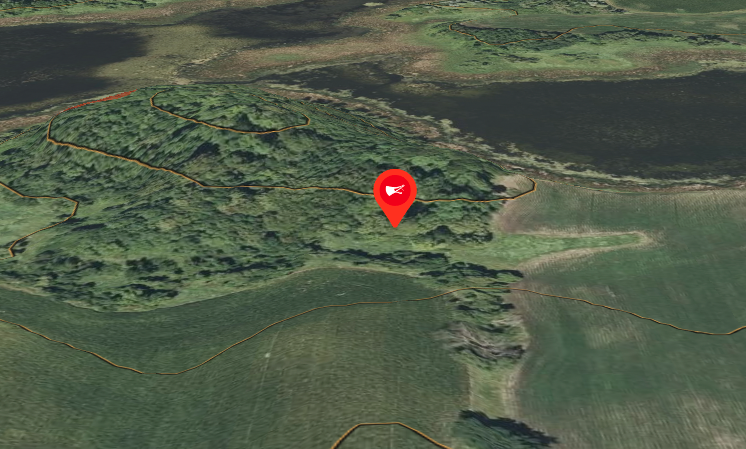
It was the second doe I’ve taken this season – both from different properties, but both coming from what I refer to as staging areas next to big crop fields.
Defining staging areas
Staging areas are typically thought of as small areas within cover where bucks hang up near the end of daylight before moving into open areas after dark.
You’ll often find clusters of rubs and scrapes here, although not always. The level of sign bucks leave can really depend on the deer population where you hunt.
I’ve watched bucks hold up in these areas many times, but they are also areas where does and fawns congregate, too. Watch the video below to see an example of what one looks like from two hunts this season in early October.
What are their characteristics?
Pinpointing these micro staging areas leads to a lot of 15-yard shots instead of the long-range opportunities that can present themselves when you’re hunting directly over big fields.
The best of these areas have some common characteristics:
- Security cover is not far away.
- Habitat diversity exists to form an edge. It can be soft edges within timber where thicker cover meets more open woods, or a tiny opening in amongst thicker cover. The more habitat types near each other, the better.
- They typically are within eyesight of a food source (ag field, oak flat) or openings (CRP field, etc.) so deer can either check those open areas before entering or, in the case of bucks, they can keep a close eye on does without exposing themselves in daylight.
- In landscapes with any kind of topography, low-ground entrances (often corners) into fields are good places to check.
When should you hunt them?
These last two weeks of October in the Upper Midwest are when bucks are not directly with does, but they are not far behind. This is when these staging areas shine.
Maybe the most educational hunt I ever had came in late October of 2019. I was set up 60 yards inside the timber when a dozen does and fawns fed in an adjacent field for almost an hour before dark. Behind them was a huge 12-point buck.
In front of me about 50 yards was one of those soft edges where a narrow strip of thicker brush met open timber. That buck would not budge from within that security cover. He didn’t move more than 20 yards the last 45 minutes of daylight as he kept eyes on the doe group.
I never got a shot at that deer, but two weeks later, on Nov. 4, I adjusted closer to that edge and shot an 8-pointer that followed the same path. The video above shows this exact area and another buck moving parallel with this soft edge in the timber during the 2024 season.
Finding ways to hunt these staging areas right now can be a great way to fill your tag.
Minnesota DNR prepares ELS for big pulse of license buyers ahead of gun hunt
The Minnesota DNR is preparing for the firearms deer firearm season to ensure the updated Electronic Licensing System can handle
Mixed conditions, but more ducks greet Minnesota’s opener this Saturday
The traditional Minnesota duck season opens 30 minutes before sunrise this Saturday, Sept. 26, and Jerry Christopherson, of Heron Lake

Fall is the perfect time to catch Lake Erie’s giant walleyes; here’s what to focus on
Anglers who are prepared to face some colder weather can catch lunker walleyes. For the past decade, walleye fishing derbies
