





Pennsylvania Mixed Bag: Docks removed early at Lake Wallenpaupack
The Pennsylvania Fish & Boat Commission recently announced that public boat docks at the Mangan Cove Access on Lake Wallenpaupack,
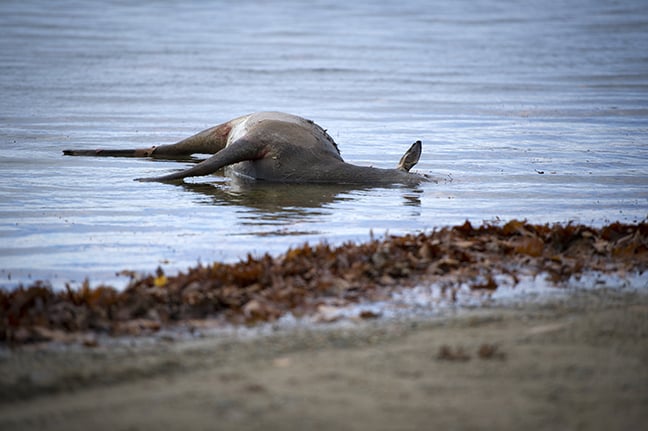
EHD in Michigan’s deer herd concentrated to four counties so far
The Michigan DNR has confirmed epizootic hemorrhagic disease in four counties so far in 2026, with plenty more tests pending
Dan Small Outdoors Radio: Show 2138
Indiana hunter scores a huge black bear in northern Wisconsin. Jeff heads to Cass Lake, Minn. for a Masters Walleye
