


Narrowing down my top stand sites for hunting the rut to only three is not easy. But after considerable deliberation on my part, here are my three picks. Because New York holds its firearms season during the rut, I have selected stand locations that are good for both firearms hunting and bowhunting. Of course, some stand sites are slightly better for one or the other, so I added a five-star rating just like the motels do.
I hope my suggestions will help you make good choices when it comes to selecting stand sites on the places you hunt. And remember, more important than all of this, is being safe out there this deer hunting season.
Good luck to each of you.
Here are my three favorite stand sites for hunting the rut.
Funnels |
|
Saddles |
|
Doe bedding connector trails |


Dan Small Outdoors Radio: Show 2145
Delta Marsh in Manitoba offers outstanding hunting for canvasbacks, bluebills, and other ducks. DEX Fingerlight offers listeners a 15 percent

Is striped bass fishing on the brink? Anglers and scientists sound the alarm
After eight straight years of poor spawning in the Chesapeake Bay, striped bass numbers are falling along the Atlantic coast.
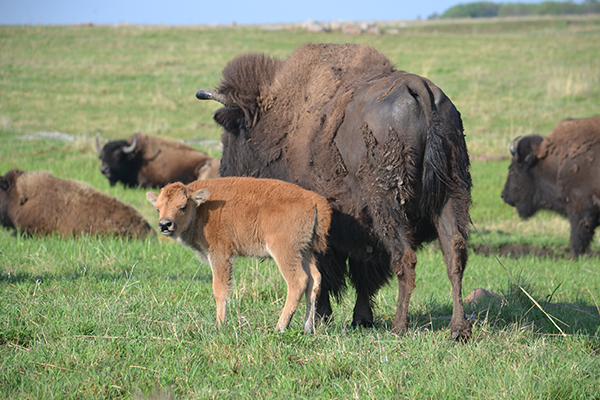
DNR celebrates evolving Minnesota Conservation Herd for National Bison Day, Nov. 7
The Minnesota DNR donated 23 bison in 2026 to help start, grow other herds
