




Michigan Mixed Bag: Night-time walleye surveys scheduled on several of the state’s waters through Mid-October

Lansing — Nighttime walleye recruitment surveys are being conducted from late September to mid-October, putting DNR survey crews on the water at night in various counties. The surveys are a tool for fisheries managers to determine whether walleyes that hatched in the spring did so in the wild or were stocked, as well as how many of those fish are present in an area.
Using electrofishing boats, crews will survey shallow areas near the shoreline of lakes at night with the goal of capturing young-of-year walleyes. Since walleyes prefer cooler, deeper areas of lakes during the day but move into shallow, nearshore areas at night, nighttime surveys are more efficient.
DNR reported that modern genetic techniques that allow more accurate assessment of stocking success by comparing young-of-year walleye genetics to broodstock fish will be completed at Michigan State University on walleye tissue samples collected during some of these fall surveys.
Some surveys will be conducted collaboratively with tribal agencies, and tribal natural resource departments also will be conducting surveys independently of the DNR. In the UP, the U.S. Department of Agriculture’s Forest Service will also be collaborating on surveys and conducting independent surveys in the Hiawatha National Forest as part of an effort to create long-term datasets for a number of inland lakes managed for walleyes.
MORE COVERAGE FROM MICHIGAN OUTDOOR NEWS:
Ralph Loos: Michigan’s reliable hunting traditions got an update (upgrade?) this season
Changes to Michigan’s furbearer regulations discussed
EHD in Michigan’s deer herd concentrated to four counties so far
Over $890,000 in DNR Grants will Benefit Michigan Fish and Aquatic Systems
Lansing — The Michigan DNR announced recipients for the 2025 Fisheries Habitat Grants. Ten conservation projects on lakes and streams throughout the state will share $892,200. The funds are matched by more than $240,000 in partner contributions, for a total conservation value of over $1.1 million.
Funded projects are located in Allegan, Calhoun, Cheboygan, Crawford, Grand Traverse, Manistee, Newaygo, Oceana, Shiawassee and Wayne counties.
“Supporting partner organizations with these projects is crucial to create healthier lakes and streams with healthier fish populations, better habitat and cleaner water,” said Randy Claramunt, chief of the Michigan DNR Fisheries Division. “Michigan’s natural resources are an important part of our culture and economy, and these projects will provide long-lasting benefits to protect and enhance aquatic ecosystems in the state.”
DNR Priority Habitat Conservation Projects – those proactively identified by the department as important to sustaining healthy habitats, fisheries and aquatic communities – accounted for five of the funded projects. Seven of the selected projects directly benefit priorities of Michigan’s Wildlife Action Plan.
For this grant cycle, fishing license sales contributed $542,200, and an additional $350,000 comes from general funds for dam management grants, applied to two eligible projects this year. Partners leverage matching funds and additional grants and funding sources to complete projects that would otherwise be financially out of reach for a single organization.
Forest Management Revisions Public Review Open
Lansing — Michigan’s latest 10-year State Forest Management Plan was almost complete when a massive ice storm happened in March 2025, snapping trees and downing limbs across the northern Lower Peninsula. The resulting devastation sent foresters back to the woods to re-evaluate the plan and account for damaged timber, new tree-planting needs and other issues.
After in-person assessments of the damage and computer modeling, amendments are now complete and the Michigan DNR is accepting public comment on plan changes made in response to the ice storm.
The State Forest Management Plan outlines how Michigan’s publicly owned state forests will be managed for the next 10 years. It emphasizes the importance of forestry practices to achieve abundant habitat for wildlife, provide quality forest products and cope with a changing climate, all to ensure long-term sustainability of our natural resources in a delicate balancing act.
The plan first went out for public review in late 2024, and in response the DNR received a variety of comments from Tribal governments, organizations and residents. The current version includes revisions based on those comments in addition to those made in response to ice storm impacts.
The current plan review period runs through Oct. 12. Comments are welcome on any part of the plan, but further changes will only be made to ice storm-related content. For information on how to submit a comment, go to Michigan.gov/DNR.
DNR Advisory Councils Seeking Volunteers
Marquette, Mich. — Applications for open volunteer positions on DNR’s Eastern and Western Upper Peninsula Citizens’ Advisory Councils are being accepted.
The councils, which were formed in 2008, advise the DNR on regional programs and policies, identify areas in which the department can be more effective and responsive, and offer insight and guidance from members’ own experiences and the public. Members are encouraged to share information from council meetings within their communities.
A Sept. 30 deadline has been set to apply for membership to the councils. Several vacancies are available with terms beginning in January 2027. The two councils each meet six times per year, with meeting agenda items set by council members. Council advisements and recommendations are forwarded to the DNR for consideration.
Application forms and more information about the councils are available online or by calling 906-226-1331.
SUBSCRIBER CONTENT
Read this article now.
Create a free Outdoor News account.
Create a free account below to get instant access to this article, thousands of Outdoor News stories, and our digital editions. Your 1-month trial starts the moment you sign up.
No credit card required
No credit card required
Subscriber? Login Here.
Share on Social
Hand-Picked For You
Wednesday, Sept. 23 marks Travel Management Rule comment deadline
Allegan County CO named Michigan’s Wildlife Officer of the Year
Michigan DNR clarifies rule changes in effect for trout, salmon, sturgeon
Michigan Letters to the Editor: There are some advantages of the Roadless Rule removal
Ralph Loos: Michigan’s reliable hunting traditions got an update (upgrade?) this season
Findlay Reservoirs support walleyes and saugeyes in northwest Ohio
Related Articles
Wednesday, Sept. 23 marks Travel Management Rule comment deadline
Managing travel and access is one of conservation’s trickiest topics.
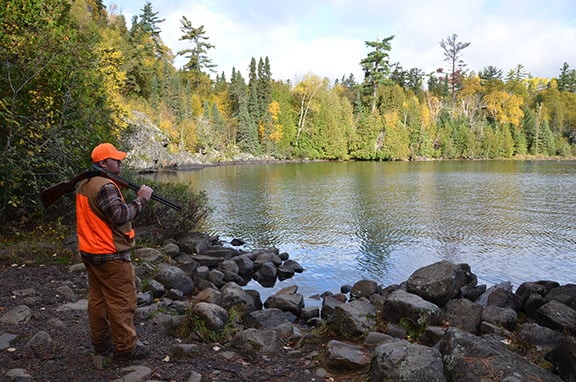
Ask most hunters whether they’d rather drive right to
Michigan DNR clarifies rule changes in effect for trout, salmon, sturgeon
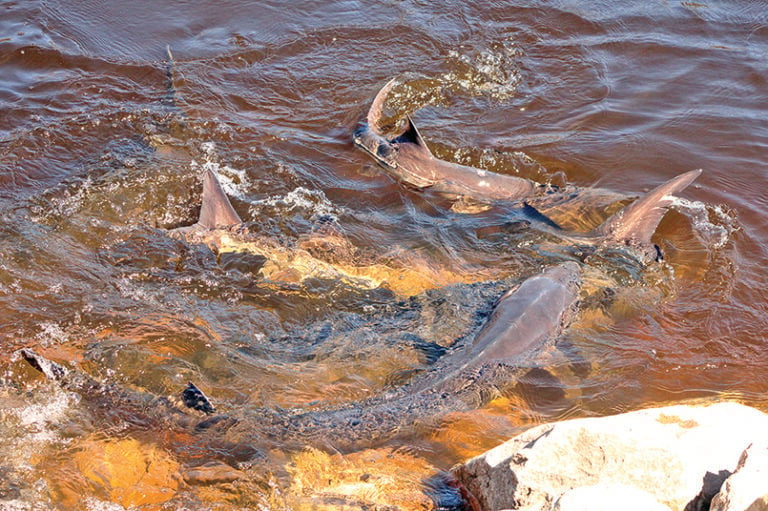
Michigan anglers have some additional fishing regulations to keep in mind this fall after the DNR clarified several changes that

Michigan Letters to the Editor: There are some advantages of the Roadless Rule removal
Reader-submitted letters to the editor published in the Sept. 25, 2026 edition of Michigan Outdoor News.
