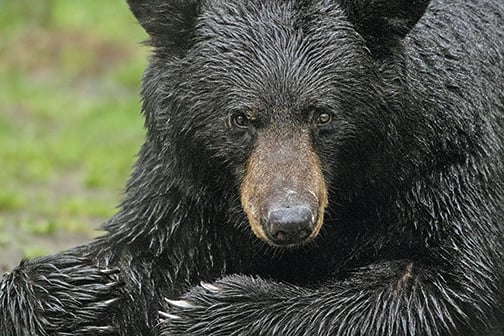
Comstock, Wis. – The Wisconsin Department of Natural Resources (DNR) said in a release on Monday that it has concluded efforts to trap the black bear involved in a recent attack in Barron County. The sow and cub involved have not been observed since the attack.
The DNR, in partnership with the Barron County Sheriff’s Office and U.S. Department of Agriculture (USDA) – Wildlife Services, has maintained and monitored a series of live-traps and game cameras on the property since the attack occurred the afternoon of July 12, 2025.
MORE COVERAGE FROM OUTDOOR NEWS:
Michigan legislation would pave way to create authority to manage forests
These training tools will help you level up your retriever or pointer
Things have changed over a century of fishing in Illinois
The DNR said that the victim, 69-year-old Karen Frye, was attacked while in the backyard of her rural residence near the town of Comstock. Frye was transported to a nearby hospital for treatment. The DNR said in the release that Frye is recovering, in stable condition and doing well.
Once officials arrived at the scene on the day of the attack on July 12, they began looking for the bear. At that time they located a cub in a tree indicating the incident involved a sow and cub.
“After two weeks of round-the-clock surveillance on the property and no additional signs of the sow involved, our current options are exhausted,” Randy Johnson, DNR large carnivore specialist, said in the DNR release issued on July 28. “We’ve trapped and released two boar (male) black bears, two yearling bears and two sows determined to be unrelated to the incident. We also collected a dead sow found along a roadway about 1.6 miles from the site of the attack. Initial necropsy results are consistent with injuries from a vehicle collision and there is no evidence of it being the same bear linked to the attack.”
In a follow-up email with Outdoor News, the DNR noted that sows typically breed and give birth every other year. Sows with cubs will lactate and show signs of nursing cubs.
“The two sows that were trapped were non-lactating sows and did not show signs of nursing,” Molly Meister, public affairs section manager, wrote to Outdoor News. “The cub that was observed at the attack site was determined to be a young-of-year cub so the sow involved in the attack would have shown signs that it was previously lactating and nursing.”
Although trapping efforts have ceased, the DNR said it will continue to monitor the area.
For more information on what to do if you encounter a bear, visit the DNR website.