






Minnesota artist Bob Hautman wins federal duck stamp contest for fourth time
Minnesota’s own Bob Hautman, from Delano, won the 2026 Federal Duck Stamp Art Contest today with his acrylic painting of
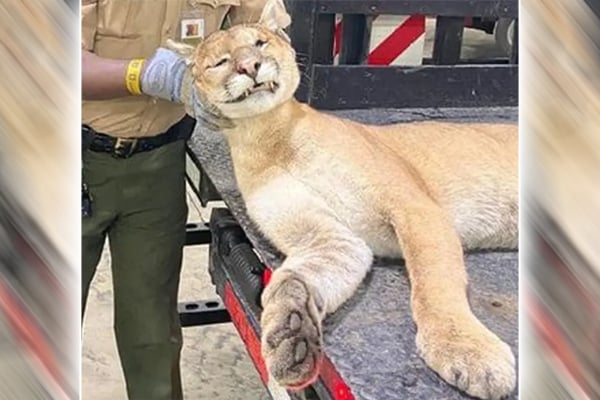
Confirmed cougar makes an even dozen sightings over 25 years
A mountain lion was spotted moving through southern Illinois, and this time wildlife officials believe the big cat crossed west

Illinois bow season opens Oct. 1 with few changes
The DNR has floated the idea of establishing additional Restricted Archery Zones in other parts of the state, but this
