




Minnesota Mixed Bag: State parks and trails offer opportunities over Memorial Day Weekend

St. Paul — The Minnesota DNR is highlighting recreation opportunities across the state parks and trails system as well as tips on how to safely plan your trips. The DNR’s summer activities guide is a great place to start planning a Memorial Day Weekend outing to a state park, recreation area or trail. The guide lists activities for people of all ages and interests.
Many state parks and recreation areas offer events and programs led by interpretive naturalists. Participants can learn about wildlife, plants, outdoor skills and more. There are more than 70 programs scheduled for the holiday weekend. Most naturalist events are free to attend but may require reservations. A state park permit is required.
Check the online events calendar for a full list of programming.
Most state parks and recreation areas offer free loaner equipment so visitors can try a new activity before purchasing their own gear. Fishing kits, birding kits, kids’ discovery kits and GPS units are available on a first-come, first-served basis at select ranger stations.
Find more information on the DNR’s loaner equipment webpage.
MORE COVERAGE FROM MINNESOTA OUTDOOR NEWS:
New Minnesota muskie plan puts an emphasis on bettering existing fisheries
Despite dip from 2025, Minnesota turkey hunters on pace for top-three harvest
Legacy funding bill passes on final day of Minnesota’s ’26 session
DNR UPGRADES FOUR FISHING PIERS IN NORTHWESTERN PORTION OF STATE
St. Paul — Anglers looking for shore fishing spots can enjoy four upgraded piers in northeast Minnesota this open water season. The pier improvements are at these locations: Cuyuna Country State Recreation Area, Ironton; Little Emily Lake, Crow Wing County; Munger Landing, Duluth; Wakemup Bay, Cook.
Additionally, the DNR is close to finishing upgrades to the fishing pier that was in place on Sand Lake, near Warba, and full installation of the improved pier is scheduled for June.
The DNR maintains more than 200 accessible fishing piers throughout the state in both urban and rural settings. Shore fishing is a great way to try out angling without a boat. All people need is a pole, hook, bait, and a little luck. To view all of Minnesota’s shore fishing locations, visit the DNR website.
APHIS ANNOUNCES FUNDING TO SUPPORT CWD CONTROL AND PREVENTION
Washington, D.C. — The U.S. Department of Agriculture’s Animal and Plant Health Inspection Service (APHIS) will provide approximately $12 million to support efforts by state and tribal governments, research institutions, and universities to control and prevent chronic wasting disease in wild and farmed cervids (e.g., deer, elk).
“Chronic wasting disease poses a serious threat to U.S. wildlife and agriculture. This funding reflects our commitment to working collaboratively with states, tribes, and research partners to develop solutions and protect the health of our nation’s cervid populations,” said Dr. Alan Huddleston, acting U.S. chief veterinary officer.
APHIS will competitively fund the most promising projects that develop innovative tools or methods, support state and tribal CWD control programs at the local level and provide indemnity payments to cervid owners with pending claims. This includes: Approximately $6 million to support critical projects to control and prevent CWD in farmed cervids; approximately $5.5 million to support research and management of CWD in wild cervids; and approximately $500,000 to support CWD prevention and management on tribal lands.
ZEBRA MUSSEL ERADICATION PLAN FOR NORTH DAKOTA’S SMISHEK LAKE CONTINUES
Bismarck, N.D. — The North Dakota Game and Fish Department, in cooperation with state and federal partners and local stakeholders, plan to lower Burke County’s Smishek Lake in May and June to eradicate the remaining zebra mussel population in the lake.
“This spring, at ice-out, we surveyed the mussel population in Smishek Lake to evaluate the effectiveness of last fall’s treatment,” said Ben Holen, department aquatic nuisance species coordinator. “While the treatment significantly suppressed the zebra mussel population at the lake, live mussels capable of reproduction remain. This population poses a threat to the downstream waters of Lake Sakakawea and other lakes in northwestern North Dakota, so we are doing what we can to achieve a full eradication.”
When weather conditions are suitable, department staff will apply an EPA-registered copper-based mollusicide called EarthTecQZ. Three treatment applications are anticipated starting mid-May and continuing into June. The lake will remain open for public recreation, but the ramp will be signed and closed on application days.
SUBSCRIBER CONTENT
Read this article now.
Create a free Outdoor News account.
Create a free account below to get instant access to this article, thousands of Outdoor News stories, and our digital editions. Your 1-month trial starts the moment you sign up.
No credit card required
No credit card required
Subscriber? Login Here.
Share on Social
Hand-Picked For You
Illinois anglers dominate Florida bass tournament field
Wisconsin’s Outdoor Calendar
Illinois’ nuisance-deer permit rules win extension for language fixes
Illinois Mixed Bag: Trapping Permit Drawing Set for Shelbyville
Illinois Letters to the Editor: Deer hunting has changed for all of us
Ralph Loos: Illinois Outdoor Hall of Fame class has common interest: being useful
Related Articles
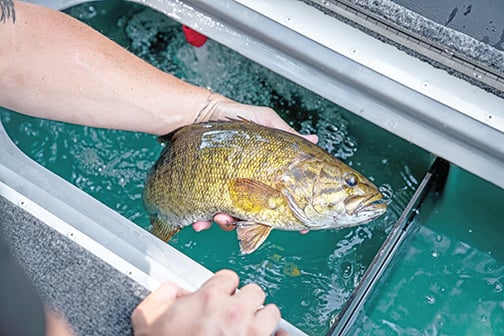
B.A.S.S. to keep technology format for 2027 Elite Series
Following a successful debut, B.A.S.S. announced that the Progressive Bassmaster Elite Series will continue using the same forward-facing live sonar
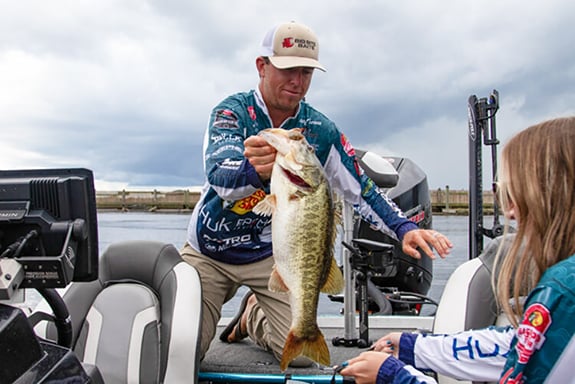
Illinois anglers dominate Florida bass tournament field
Competitive anglers from Illinois took Florida by storm, finishing first and second at the 2026 Tackle Warehouse Pro Circuit Championship
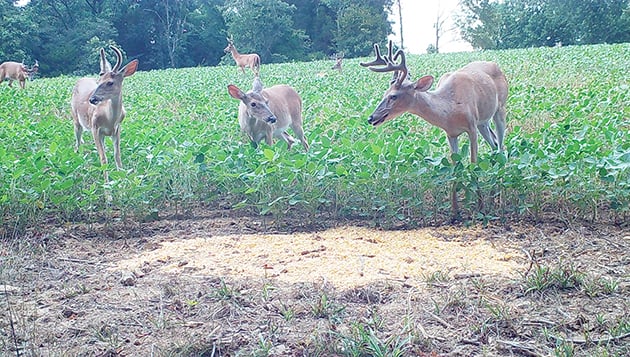
Illinois’ nuisance-deer permit rules win extension for language fixes
Illinois wildlife officials were given a 45-day extension to clean up rules governing a new system designed to give farmers
