





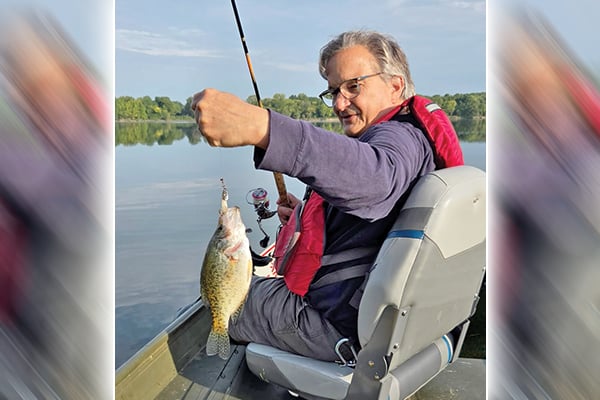
Ohio crappie patterns follow the shad in the fall
The sunrise was the kind you want to see. A slip of pink, then orange, giving way to gray. An

Episode 615 – Banner bear season, nonresident fees, EHD outbreaks, pheasant and duck season updates
Top topics this week include Minnesota’s black bear season totals, pre-election thoughts on elections in Iowa and Wisconsin, rants about
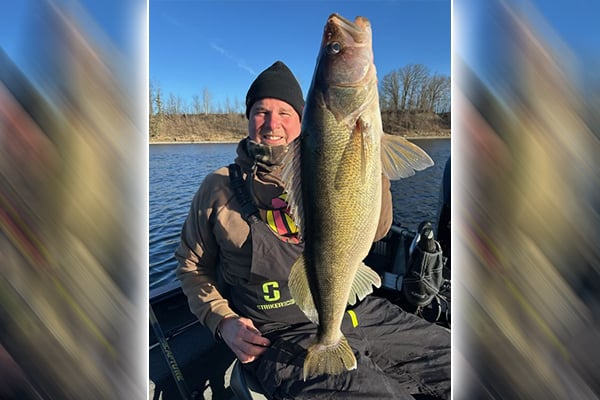
Into the abyss for late-fall walleyes
Late fall walleye fishing can range from cranking shallow rocks at night to fishing the “abyss” during the day.
