
Bookmark and Share Email this page Email Print this page Print

Bobcats lose race to otters

Posted on February 9, 2012

Springfield - A river otter trapping season could be in place by the fall. And muskrat fans? Your extended trapping season may be popping its head out of the proverbial den in 2013.

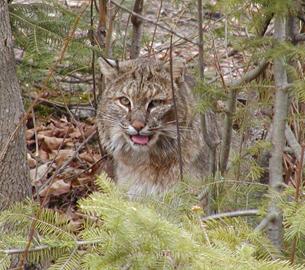
But those hoping to trap bobcats will have to wait awhile longer.

Such is the update on proposed trapping laws that have been floating around the Statehouse in recent years. The Illinois Legislature granted DNR permission to open an otter season last year, but the process to open such a season in the state requires an "export tag" from the federal government.

A sort of "red tape" trap set by the feds, in other words.

"Otters are covered by a treaty that says their pelts must be specially tagged before they can be sold," Bob Bluett, furbearer program manager for DNR, said. "We applied for the export tag allotment in July, so we are just waiting."

Bluett said DNR expects to get the export tag allotment either this month or in March.

"If everything goes as hoped, we would then file to amend the rule that is in place and we cold be offering the otter trapping season this fall."

An explosion in the state's river otter population over the past decade has made implementing the season a somewhat smooth process.

"But it's a process," Bluett explained. "We've doing the best we can and moving the fastest we can."

River otters have gone from a protected species to an annoying species in some cases, where they create problems for small pond owners by eating large numbers of fish. The river otter population in Illinois is believed to range between 10,000 to 15,000, thanks largely to release programs the state initiated in the 1980s and ‘90s.

Muskrat trappers have been eager to participate in a spring season since Gov. Pat Quinn signed legislation amending and extending the muskrat trapping season last year.

The law permits muskrats to be taken by a submerged trap during an open season to be set every year by the DNR director.

Because the muskrat law was passed in conjunction with the river otter law, the muskrat season cannot be implemented until the otter season is ready to go.

"The bills were passed too late to get everything in order for this spring, as far as muskrats go," Bluett said. "We're looking at spring of 2013 for the muskrat extended season."

Originally, the muskrat proposal included a season that would allow hunters to shoot muskrats with a .22 rifle. But that part of the law was stripped out.

The new muskrat law stipulates that body gripping traps can be used, as long as the trap is submerged under water when set.

Those hoping to see bobcat trapping in the state will likely have to wait at least one more year. Or longer.

Bills proposing the season has been stalled for the past few legislative sessions, even as trappers, hunters and wildlife watchers report more and more sightings of the bobcats.

The Legislature has yet to approve a season.

"We have good biological data and evidence that supports a season on bobcats," Bluett said. "But we haven't convinced enough lawmakers. We are going to hopefully move forward on that issue this year."

According to a 2008-09 survey by the Illinois Natural History Survey, bobcats or bobcat signs were spotted by nearly 150 trappers/hunters in 67 counties.

Still, a bobcat trapping season, when approved, would require the same process involving export tags as is required of an otter season.

Which means it could be 2013 before bobcats can be legally trapped in the state.

Bobcats are believed to be present in at least 92 of Illinois' 102 counties and sightings of these secretive cats increased 479 percent from 1992 to 2006, according to surveys of archery deer hunters.

Those numbers have risen dramatically over the past five years, Bluett said.

Related media


Add your comment: